Service description
physiotherapy

Physiotherapy is an important component of physical therapy and aims to reduce pain and restore mobility and function of the body.
Through targeted and, above all, active exercises, the patient is guided through self-training to achieve lasting improvement in their symptoms.
I use various patient-specific methods and aids to achieve optimal results and improve their quality of life in the long term.
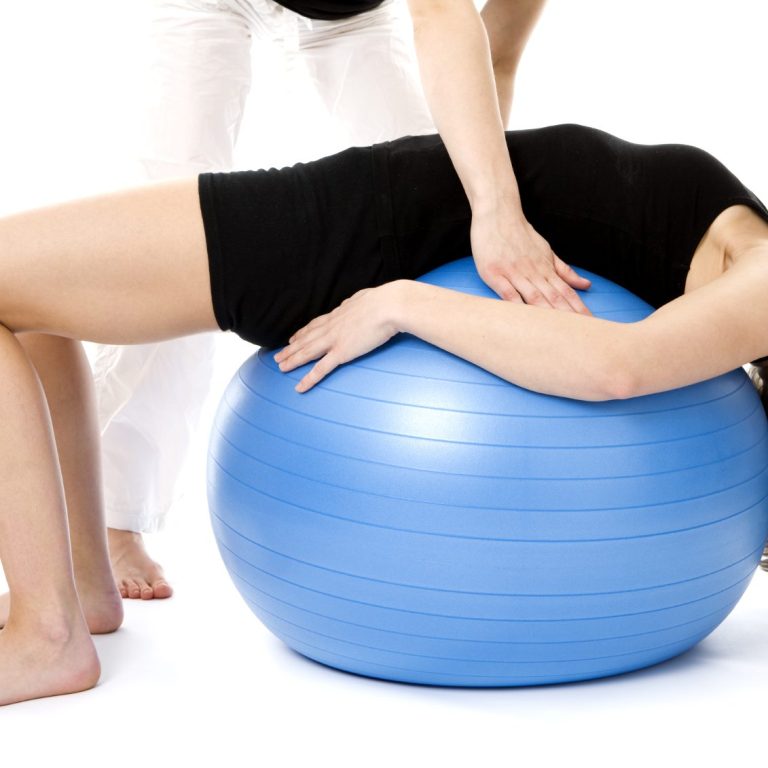
Vojta - Therapy for adolescents/adults
Vojta for adolescents/adults is a form of therapy based on the principles of reflex locomotion.
This method aims
to trigger a locomotor reflex across defined zones, thereby activating neurological and muscular processes.
Repeated triggering leads to "unlocking" or "re-routing" within the neural networks between the brain and spinal cord that are functionally blocked.
Vojta can be used as a basic therapy for almost any movement disorder and is always supplemented by active exercises to maintain the "unlocked" elements.
Especially in patients with neurological disorders, spinal misalignments, and pain, Vojta can help improve body awareness and spontaneous motor skills, as well as reduce spasticity and pain.
PNF therapy
Proprioceptive Neuromuscular Facilitation (PNF) is an effective therapy aimed at improving neuromuscular control and functional mobility in patients.
Precisely defined
three-dimensional movement patterns are initiated using appropriate stimuli. These activate muscle chains and lead to an overall locomotion pattern, consistent with gait.
PNF is frequently used in rehabilitation after injuries, for neurological disorders, and to improve athletic performance, and can be individually adapted to the patient's needs.
The patient learns to practice independently and incorporate the content into their daily routine or sports. Only in this way can incorrect movement patterns be replaced with physiological ones in the long term.
Craniosacral therapy
Craniosacral therapy is a central component of osteopathy and focuses on the craniosacral rhythm, which describes the pulsating movements of the membranes surrounding the brain and spinal cord.
This rhythm, created by the production and circulation of cerebrospinal fluid, is fundamental to the health of the central nervous system and overall well-being.
Through gentle manual and energetic techniques, craniosacral practitioners can release blockages in the craniosacral system and promote the flow of body fluids and energy.
In this way, the therapy can relieve physical discomfort and tension and also support emotional and spiritual balance by activating the body's self-healing powers.
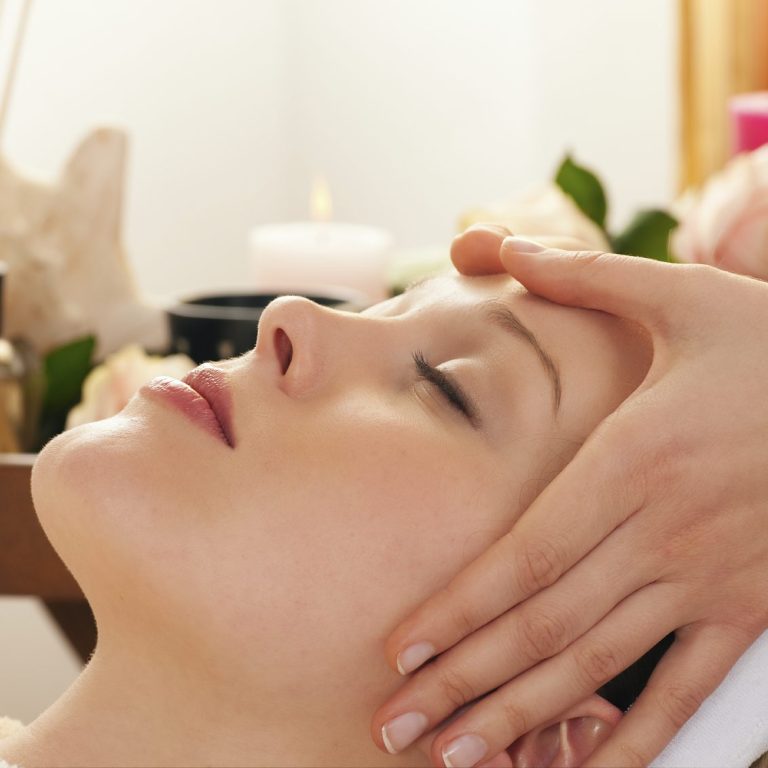
Manual lymphatic drainage
Manual lymphatic drainage (MLD) is a technique that stimulates the lymphatic system and thus improves the flow of lymph fluid.
Gentle, rhythmic "massage movements" promote the removal of excess fluid and harmful substances from the tissue, which can be particularly beneficial in cases of swelling after surgery or injuries, as well as in patients with lymphedema and lipedema.
This form of therapy not only helps to relieve pain, but also supports the body's healing processes/wound healing and improves general well-being.
MLD is often used in combination with other therapeutic approaches to achieve optimal results. Compression bandaging is also strongly recommended to maintain the results.
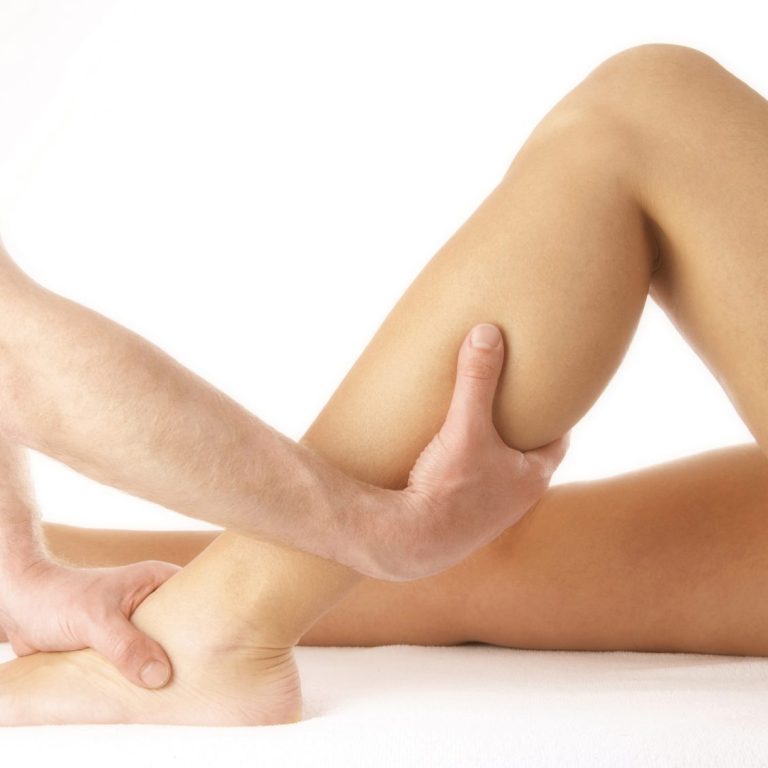
Sports physiotherapy and athlete support
Sports physiotherapy is a specialized area of physiotherapy that focuses on the treatment and prevention of sports injuries.
It plays a crucial role for athletes of all levels by helping to promote rapid recovery and improve performance.
Through targeted treatment approaches, such as manual and mobilization techniques and personalized training programs, sports physiotherapy not only supports rehabilitation but also optimal preparation for competitions. It is complemented by physical treatments such as cold/heat applications, massages, ultrasound/electrotherapy, and taping systems.
I am familiar with the special demands and stresses of sport and can offer individually tailored solutions to ensure the long-term health and fitness of athletes.
Functional and kinesiological taping
Functional taping (firm/inelastic tapes):
This taping technique is used specifically to stabilize and partially immobilize joints. It is primarily used in sports, but also after sprains/fractures/surgery where a cast is unnecessary.
Kinesiology taping (elastic taping):
This taping technique supports the healing of scars and injuries, improves mobility, relieves pain, and also enhances physical performance by improving proprioception and circulation. All movement is preserved.
I also used taping as a supplement to physiotherapy to achieve optimal results and promote a rapid healing process.